The Day Nobody Marks
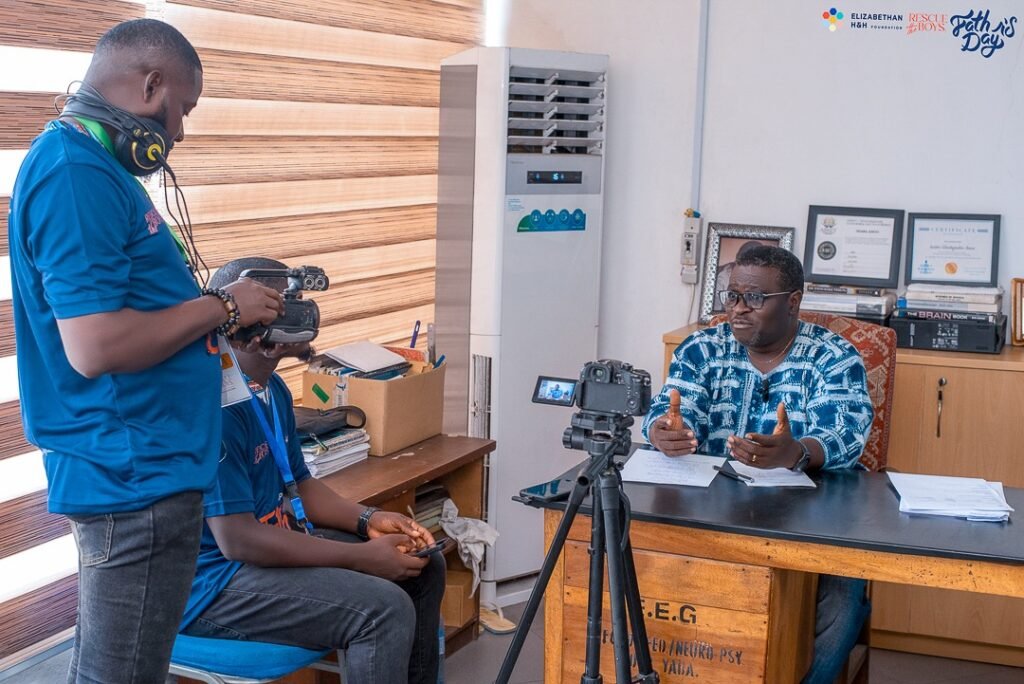
The Voices of Fathers · Article Four
A Question About a Day
These conversations were recorded for Father's Day. One of the men we spoke to told us he did not know anything about it.
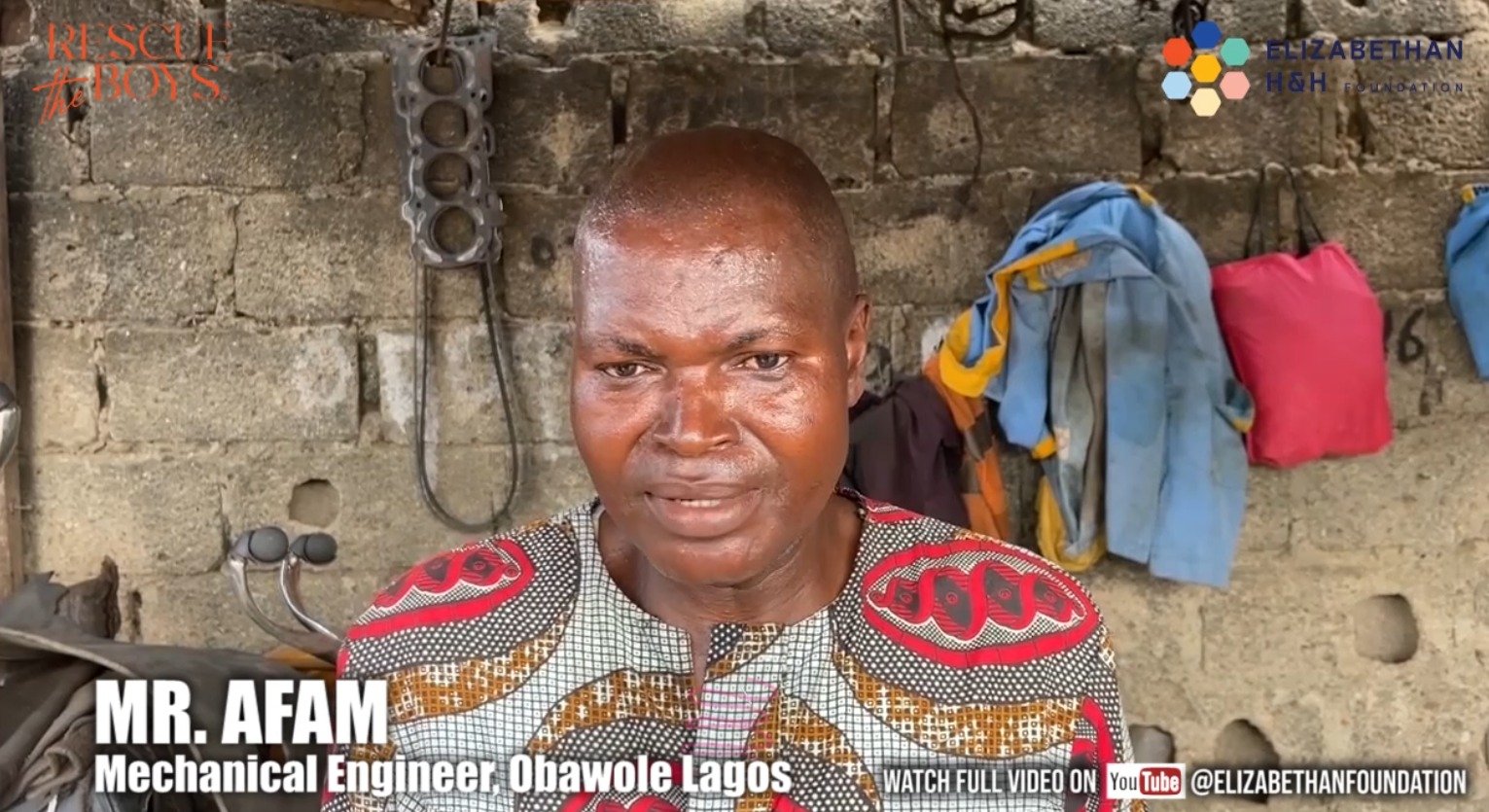
Mr. Afam Uzodimma, a mechanical engineer in Obawole, Lagos, said:
“For Nigeria I no see where them they celebrate Father's Day, it's only Mother's Day and Children's Day. I don't know anything about Father's Day.”
He then asked a question:
“We want to know why them no they celebrate father. They are always celebrating Mother's Day and Children's Day.”
His question was about recognition: why, in his experience, fathers are not celebrated the way mothers and children are.
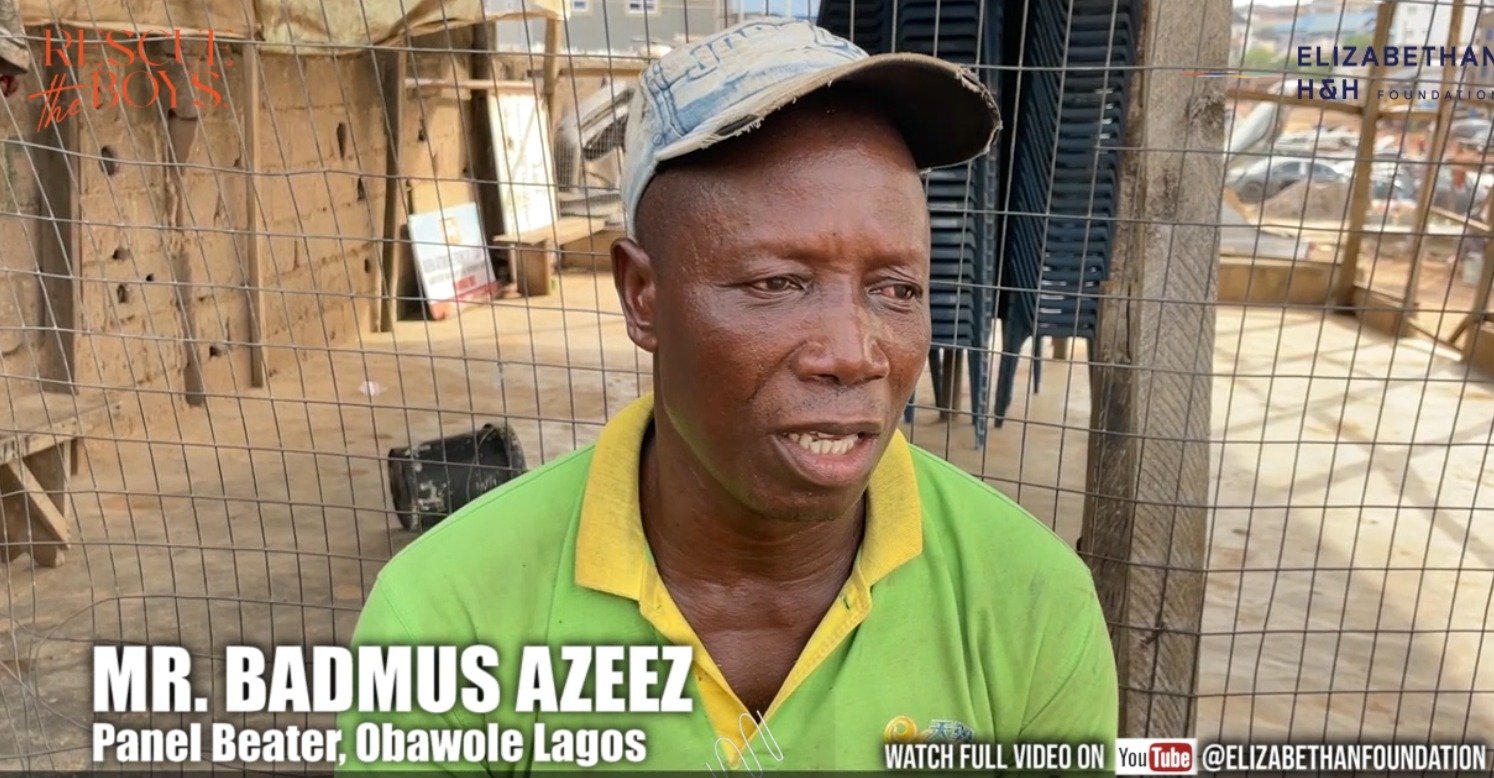
Mr. Badmus Azeez, a panel beater in Obawole, Lagos, was brief. He said the government should endeavour to help fathers in the celebration of Father's Day.
Two men, two different occupations, one shared concern: that fathers do not receive enough recognition.
How Days Like This Begin
Mr. Uzodimma's question is a fair one. History suggests it is also an old one.
The movement to establish an annual Father's Day in the United States gained momentum in Spokane, Washington, in 1910. After hearing a Mother's Day sermon the previous year, Sonora Smart Dodd proposed a day to honour fathers. Her own father, William Jackson Smart, was a Civil War veteran who raised six children after his wife died.
Mother's Day received formal national recognition in 1914. Father's Day received permanent national recognition in 1972, under President Richard Nixon, fifty-eight years later.
This history is documented by HistoryLink, the United States House of Representatives Historical Archives, and the United States Library of Congress.
International Men's Day also has a personal connection to fatherhood.
Observed annually on 19 November, it was relaunched in 1999 in Trinidad and Tobago by Dr. Jerome Teelucksingh, a history lecturer at the University of the West Indies. In a 2008 interview, he explained that one of his reasons for choosing the date was to honour his father's birthday.
Behind both initiatives were individuals who saw value in honouring their own fathers. Neither began as a government programme.
Father's Day is now observed in many countries, including Nigeria. Yet Mr. Uzodimma's experience reminds us that the existence of a day and the recognition people actually experience are not necessarily the same.
History shows that greater recognition came through the efforts of people who kept asking.
A Question About an Institution
Article Two recorded where Mr. David Obinna Okezie, a lotto sub-agent under the bridge in Ikeja, Lagos, keeps his joy: in his family's comfort.
That was the first half of his answer. This is the second:
“We have struggled, and now to the larger father which is the government. They have eh... ministry of this, ministry of that, ministry of this, ministry of women affairs, why can't we have ministry of Men affairs too.”
A man who finds joy in his family's comfort also raises a question about institutional support for men.
His question is not about removing what exists for others. It is about whether men, too, should receive dedicated institutional attention.
A social worker described a related concern from inside a hospital. Mr. Noah Olukayode, Principal Social Welfare Officer at the Federal Neuropsychiatric Hospital, Yaba, said in Article Three: “A lot of them are neglected. They run from pillar to post just to give their children the best, just to give their family the best.”
This series reports what these men said. It does not tell them what the answer should be.
What One Lawyer Sees
Barrister Olumide Oyewole, a legal practitioner and Senior Partner at Andrias & Co. in Lekki, Lagos, spoke from his professional experience. He said: “Men do actually break down quite a lot of time.”
Fathers from earlier articles describe it from the inside.
Dr. Isiaka Amoo, an electroencephalogram technologist at the Federal Neuropsychiatric Hospital, Yaba, described a difficult period in his family in Article One. He said: “I was also depressed but I can't show it.”
One practitioner's observations are not national statistics, and a few voices are not a survey. Wider research, however, provides useful context.
A 2020 scoping review published by the World Health Organization Regional Office for Europe found that men are less likely than women to seek help for mental health problems. Among the barriers associated with masculinity norms were expectations of self-reliance, difficulties in expressing emotions, and an emphasis on self-control.
The review covers the WHO European Region, not Nigeria. We cite it as context, not as local data.
A 2025 systematic review by Mokhwelepa and Sumbane, researchers at the University of Limpopo in South Africa, reached a similar conclusion: conventional expectations of masculinity can discourage men from seeking mental health support. The review was published in the American Journal of Men's Health.
A man taught not to ask may break down before anyone knows he needed help.

Four Men, One Absence
Four fathers. Different experiences. A recurring concern about how men are recognised and supported.
That concern becomes clearer when we revisit the earlier articles in this series.
In Article One , Mr. Emmanuel Umoh, a trader in Obawole, described the lesson boys are given: “even if you want to cry, you can't do it outside.”
In Article Two, Mr. Okezie said: “their comfort is what I derive joy from.”
In Article Three, Professor Sunday Soyemi, a pathologist at LASUTH, called fatherhood: “an expensive exercise.”
Here, in Article Four, Mr. Okezie raises a question about institutional recognition for men.
These conversations invite us to consider how the experiences of boyhood may shape the realities of manhood and fatherhood.
A boy taught to conceal his struggles may become a man who finds it difficult to ask for help.
A father may carry responsibilities whose costs are rarely acknowledged.
And a man may eventually find himself asking whether society sees him beyond what he provides.
What This Asks of Us
Whether a ministry is the answer is a separate conversation. The concerns these fathers have raised deserve attention beyond government structures.
There is a gap worth examining between what we expect of fathers and the recognition and support available to them.
Addressing it can begin where we stand.
Families can close part of it. Ask a father how he is, and wait for the second answer.
Employers can close part of it by paying attention to a man's health, his working hours, and what he is expected to absorb without complaint.
Faith communities, schools, and community organisations can close part of it by recognising men not only as providers, but also as people with needs of their own.
For the Foundation, two obligations stand out.
The first is to the boy-child. What a boy learns early about feeling, asking, and being seen can shape the man he becomes. He should learn that asking for help is not a failure.
The second is to men who have already learned otherwise.
They are not the finished product of a programme for boys. They are people in their own right, with their own needs, and they are owed room to be seen now, not only in the lives of the boys who come after them.
Both obligations belong together.
Changing what boys learn does not repair what men were already taught, and caring for men does not excuse what boys are still being taught.
Closing Reflection
A day is a small thing. It says only that someone is there and that someone noticed.
One father told us he had not heard of a day for fathers. Another asked the government to help mark it. A third asked why there is no ministry. Marking a father does not need a ministry first. It begins with one person noticing that he is there.







Very nice piece, The struggles and sacrifice of fathers can never be overemphasized.