These are not failures of character. They are examples of the rule working exactly as it was taught.
For generations, many communities have admired men who carry enormous burdens without complaint. That strength is real. Families have depended upon it.
But one question remains.
Who teaches boys what to do when the burden becomes too heavy to carry alone?
The rule teaches concealment and calls it strength.
It never teaches the difference.
If the rule begins in childhood, that is where the conversation must begin. It cannot end there.
By the time a man is sitting in Dr. Ajirotutu’s consulting room, the rule has had decades to take root. The first place to reach him is the compound where Mr. Umoh first heard it, and in the classroom, the home, and every environment where boys are taught what strength should look like.
But the men who already kept the rule are not a closed case. Dr. Amoo is not a cautionary tale. He is a man who carried a grief without a witness for twenty years, and there is nothing in his formation that puts him beyond reach. The same is true of every father in this documentation. They were taught something. Anything that is taught can also be taught differently.
Two obligations sit alongside each other, and the Foundation holds both. Change what boys are being taught this week. And make room, now, for the man who was taught it thirty years ago and has had nowhere to set it down since.
A boy can be raised to be strong without being raised to be silent.
Those were never the same lesson.
We have simply taught them as though they were.
That places a shared responsibility on families, schools, faith communities, employers, and society: to support boys who are learning what strength means, and to create room for men who learned it long ago and have never once been offered a different lesson.
One of the greatest gifts we can give the next generation is not to teach boys that they must never cry. It is to teach, at every age, that strength and honesty can exist together; that resilience does not require isolation; and that seeking support is not a failure of manhood but a wise expression of it.
Because when we change what boys learn about strength, we also change the kind of fathers, husbands, leaders, colleagues, neighbours, and citizens they become. And when we make room for the men who already learned it, we change what is possible for them now.
That is where stronger families and ultimately stronger societies begin.
About the Series
The Voices of Fathers is a Learning Hub Documentation Series by Elizabethan H&H Foundation, developed from documented conversations with fathers from diverse professions, backgrounds, and communities across Lagos State.
Each contributor participated with their consent and spoke in a personal capacity. Institutional affiliations are included solely for identification and do not represent the views of their respective organisations.
The series forms part of the Elizabethan Learning Hub, the Foundation’s official knowledge and documentation platform established to preserve lived experiences, professional observations, evidence-informed reflections, and documented learning relating to boys, men, and the environments that shape their development and wellbeing.
By preserving authentic voices, The Voices of Fathers contributes to a growing body of knowledge that encourages deeper understanding of fatherhood and supports healthier conversations around boys, men, families, and society.
Series Editor
Mrs. Oyinade Samuel-Eluwole
Founder and President
Elizabethan H&H Foundation
Empowering Boys. Supporting Men. Changing Lives.
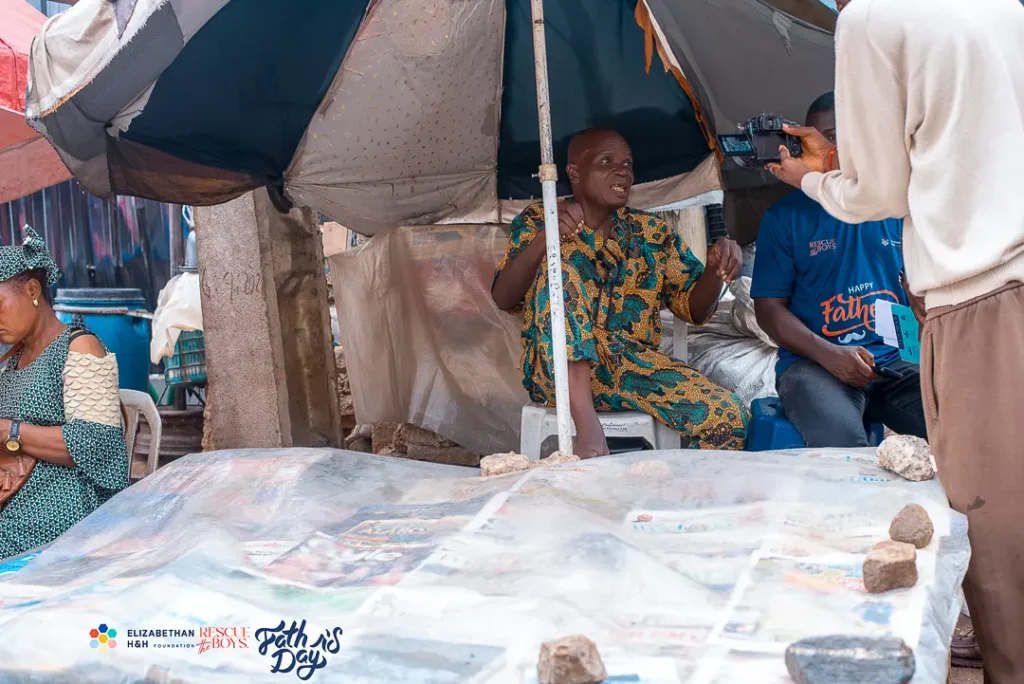
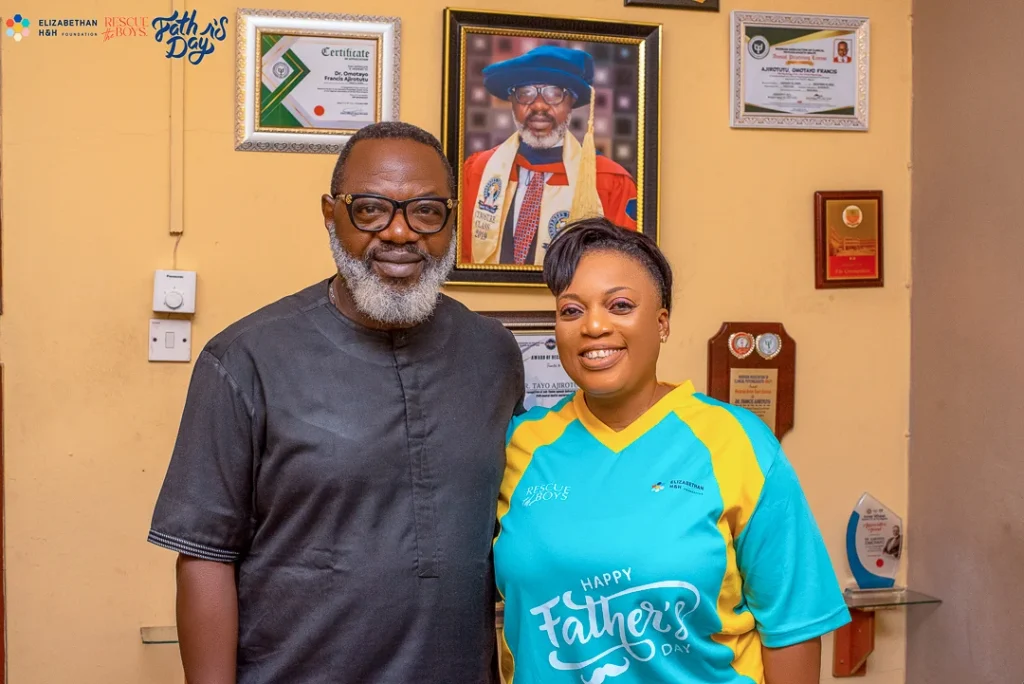

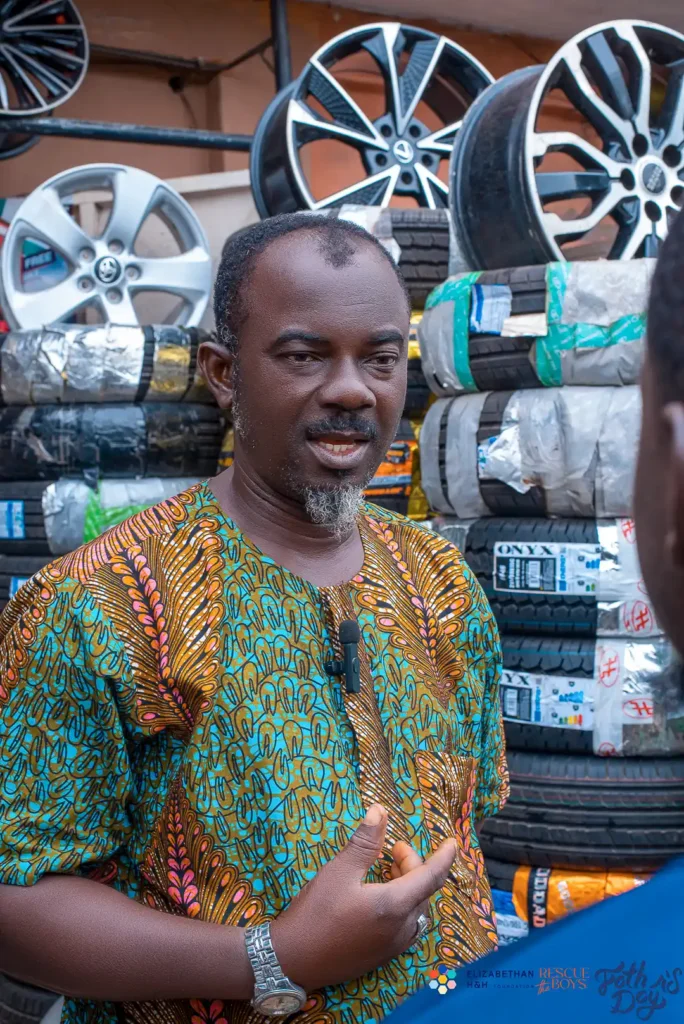





Every documented story is an opportunity to learn.
May this first edition of The Voices of Fathers deepen our understanding of fatherhood and inspire healthier conversations around boys, men, and families.
This article highlights an important truth: silence is not always strength. Thank you for sharing this perspective.
The Struggles
Thank you for taking a few moments to read this piece.
If it resonates with you, kindly share it. Meaningful conversations often begin with one story, one reader, and one thoughtful reflection.
A powerful and necessary read. Every man deserves the freedom to feel without being judged.
This is a powerful and necessary piece.. The distinction between teaching boys to be strong and teaching them to be silent is profound..Thank you ma for documenting real voices and encouraging a healthier conversation about fatherhood and emotional wellbeing…
Breaking that culture of silence around fatherhood is so necessary for the next generation. Can’t wait to read more from this series.
This is one of the most thoughtful pieces I’ve read on fatherhood and masculinity. The distinction between teaching boys to be strong and teaching them to be silent is both profound and necessary. It reminds us that emotional honesty is not the opposite of strength it is part of it.
Thank you, Ma, for documenting real voices with such care and dignity. Conversations like this have the power to change how we raise boys, support fathers, and build healthier families. I look forward to following the rest of this important series.
This was a deeply reflective read. One point that stood out to me is that strength and silence are not the same thing. Too many boys are raised to believe that carrying every burden alone is a mark of manhood, when true strength also includes the wisdom to seek help, express pain, and heal. If we can teach boys that vulnerability does not diminish strength, we will raise healthier fathers, husbands, leaders, and communities. A timely and important message.
tdkhpnYivJTKRfFyOApSgsw
IIoAnTornlodKSBrD
I’ve tried a few different platforms lately but this one stands out for its reliability. The registration process was a breeze. Check out idsampan303 for a great experience.