This is more than insecurity. It is a crisis of emotional and psychological devastation tearing through families and communities.
This is a humanitarian emergency that demands national reflection and urgent action.
At such a moment, I turn to Her Excellency, Senator Oluremi Tinubu CON, First Lady of the Federal Republic of Nigeria. Not simply as First Lady, but as a mother. As a woman who understands what it means to love a child and fear for their safety.
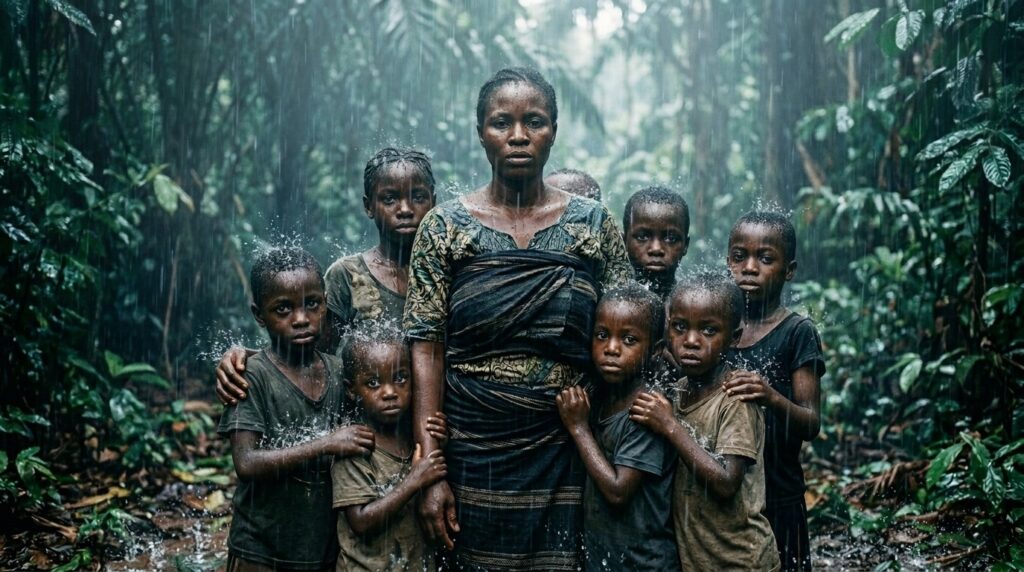
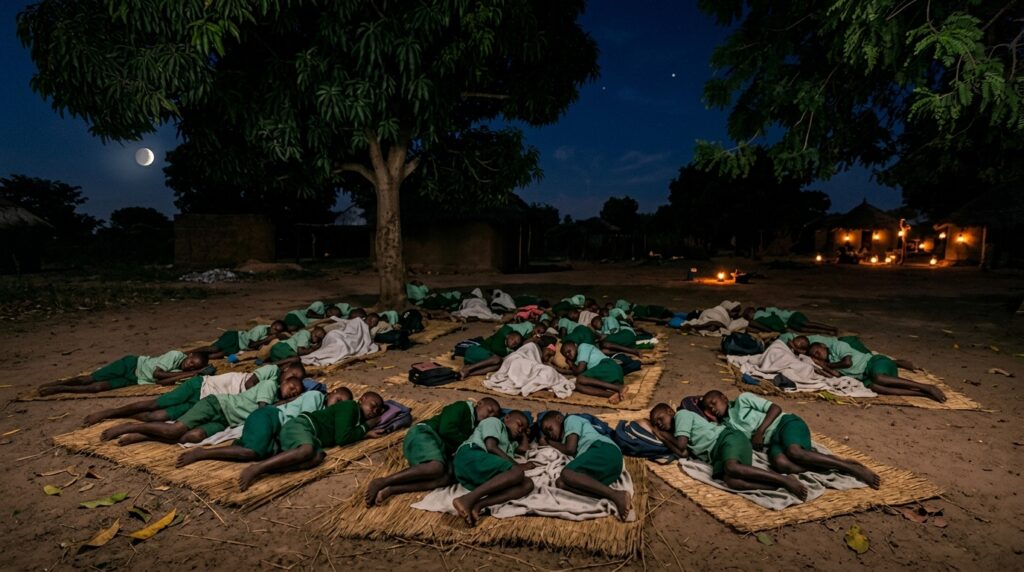
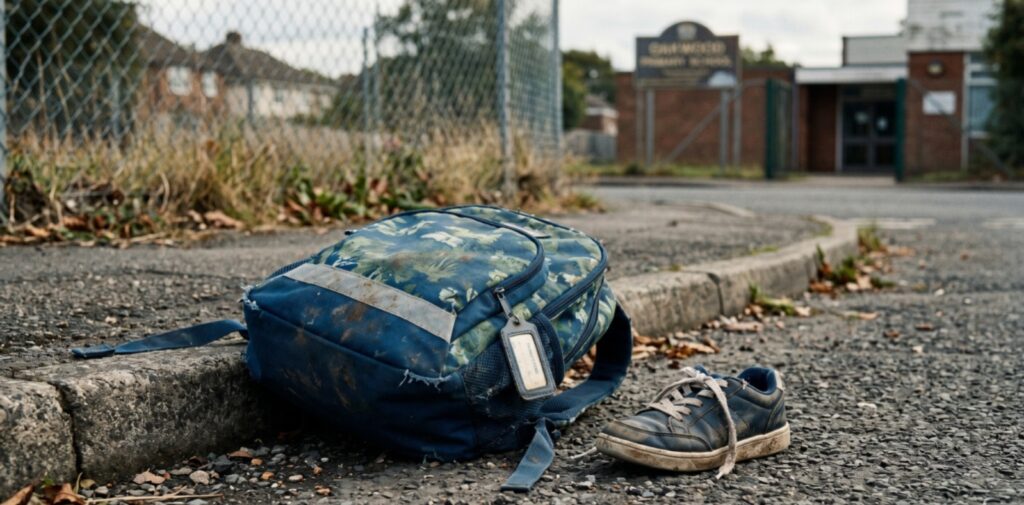
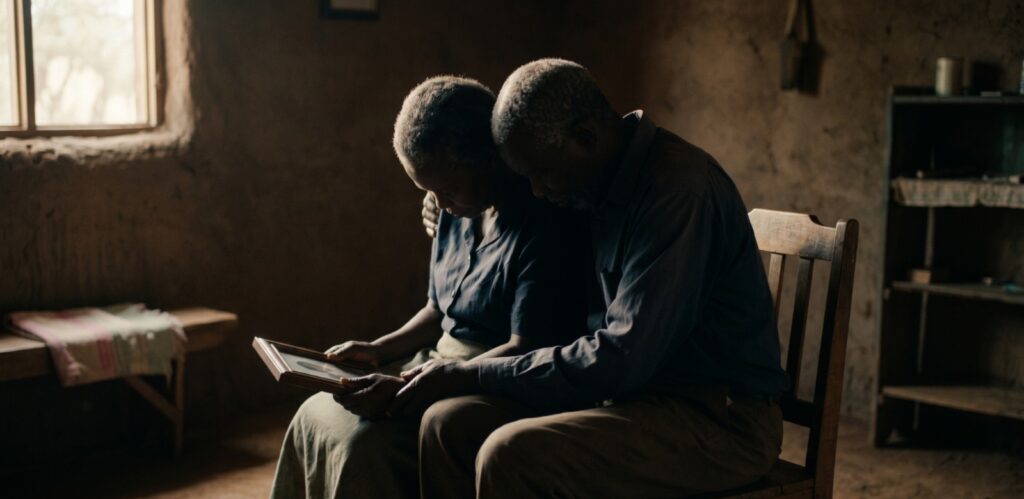
Your Excellency, there are mothers in this country who have not slept properly in weeks. There are fathers staring at empty chairs at the dinner table. There are children who came home changed, carrying things in their eyes that no child should ever have to carry. These families are not statistics. They are people. And they need to feel that this nation sees them.
This moment calls for more than policy. It calls for a nation that shows up with compassion, wraps its arms around affected families, and moves with real urgency to protect what matters most.
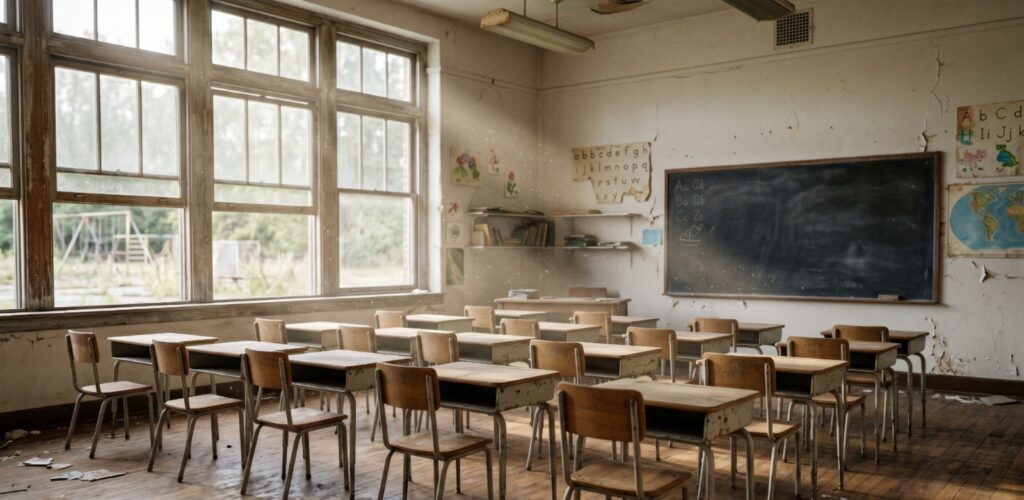
Our children. Our schools. Our future.
I also appeal, from the same place of deep concern, to the Federal Government, the Oyo State Government, governments across all affected states, security agencies, community leaders, and religious institutions. And to every Nigerian reading this: we all have a role to play. Protect the children. Secure the schools. Support the families who are still waiting. And build the kind of communities where no child ever has to grow up in fear.
A nation where children live in fear is a nation facing a dangerous future.
A nation where teachers are unsafe is a nation where education itself is under threat.
Children’s Day should not only be a day of celebration. It should also be a moment of honest reflection, a moment that forces us to ask difficult questions about the future we are building, and whether the children we claim to love are truly safe.
Each time we mark this day across Nigeria and around the world, let us also remember those currently living in fear, captivity, displacement, trauma, or silence.
Let us pray for them.
Let us stand for their protection.
Because not every parent is celebrating.
And until every Nigerian child is truly safe, protected, and free to dream without fear, our celebration remains incomplete.
— Mrs. Oyinade Samuel-Eluwole
Mrs. Oyinade Samuel-Eluwole is the President and Founder of the Elizabethan H&H Foundation. She is a social and development impact advocate committed to child protection, emotional wellbeing, and healthier developmental outcomes for families, boys, and men in Nigeria.







This really hits deep. Children deserve more than celebration for one day — they deserve safety, care, and a future they can look forward to.
The question remains: Are Nigerian children truly safe?
Beyond the celebrations, there are parents carrying invisible wounds, children living through unimaginable trauma, and communities struggling with fear. May we never become so accustomed to these realities that they stop touching our hearts.
A great write up . God help Nigerian Government to protect our nation.
Nigeria was a country
God save our children 🙏
May God heal our land 🙏🏻🙏🏻
This is a message every Nigerian should read… Protecting our children must remain a national priority… A heartfelt call for compassion.. action.. and accountability…Our children cannot wait…
A deeply moving piece….Until every child is safe…our work as a nation remains unfinished….
A nation’s true achievement is seen in how well it protects its children. Until every child is safe, loved, and given the chance to thrive, our work remains unfinished.
This is a beautiful Piece.
Every child needs safety and protection
May God heal our land🙏🙏
Nigeria needs to listen to the cries of its citizens, this is so sad
A deeply moving and necessary message. We cannot keep celebrating our children while ignoring the fear, trauma, and insecurity many of them face daily. Every child deserves safety, dignity, education, and the freedom to dream. Until that becomes reality for every Nigerian child, our collective responsibility remains unfinished.
Honestly impressed, did not expect to find this level of care on the topic, and a stop at helioflow cemented the impression, you can tell within the first few paragraphs whether a site is going to be worth the time and this one delivered on that early promise nicely throughout the rest of what I read.
Thanks for the breakdown, it gave me a clearer picture of something I had been confused about for a while now, and a stop at tracycantu closed the remaining gaps in my understanding nicely, no need to hunt around twenty other articles to put the pieces together which is a real time saver.
Worth saying that the post fit naturally into a rhythm of careful reading, and a stop at xylawise extended the same rhythm, content that pairs well with how I actually read rather than demanding a different mode is content well calibrated to its likely audience and this site has clearly thought about that consistently.
Just want to flag that this was useful and not bury the appreciation in caveats, and a look at thriveperk earned the same direct praise, recognising good work without hedging it with criticism is something I try to practice because over qualified compliments tend to read as backhanded and miss the point sometimes.
Worth bookmarking and sharing with anyone interested in the topic, that is my honest take, and a stop at softcrest reinforces that, the kind of generous resource that makes the open web feel worth defending against the constant pressure to retreat into walled gardens and curated feeds today everywhere I look across all my devices.
Started reading and ended an hour later without realising the time had passed, and a look at blog44which produced the same time dilation effect, when content makes time feel different the writer has achieved something well beyond the average and this site is producing that experience for me reliably across multiple readings.
Reading this confirmed something I had been suspecting about the topic, and a look at blog66grounds pushed that confirmation toward greater confidence, content that lines up with independently held intuitions earns a special kind of trust and I will return to writers who consistently land that way for me without overselling positions.
Liked the careful selection of which details to include and which to skip, and a stop at blog66nights reflected the same editorial judgement, knowing what to leave out is just as important as knowing what to include and this site has clearly figured out where that line sits for the topics it covers regularly.
Started reading and ended an hour later without realising the time had passed, and a look at jameslutz produced the same time dilation effect, when content makes time feel different the writer has achieved something well beyond the average and this site is producing that experience for me reliably across multiple readings.
Worth saying that the writing carries a particular kind of authority without making any explicit claims to it, and a stop at websupreme extended that earned authority feeling, sites that demonstrate expertise through the quality of their explanations rather than by stating credentials are sites I trust most and this site has it.
Now appreciating that I did not feel exhausted after reading, and a stop at webthrive extended that energising quality, content that leaves me with more attention than it consumed is rare and the gap between draining and energising content is real over the course of a typical day spent reading widely online.
This one is staying open in a tab for the rest of the day so I can come back and re read certain parts, and a look at datamonarch suggests I will be doing the same with a few more pages here too, this is going to be a deep dive over the coming hours.
he blog was how do i say it… relevant, finally something that helped me. Thanks
Honestly one of the best interfaces I have used recently. Everything is easy to find and the loading speed is great. Highly suggest vnvm66 for a seamless experience.
I precisely needed to appreciate you once more. I do not know what I would’ve followed without the actual creative concepts shown by you concerning such industry. It had become a very daunting difficulty in my circumstances, nevertheless noticing a new professional tactic you managed it forced me to weep with joy. Now i am happy for this assistance and thus pray you find out what a powerful job that you are undertaking instructing some other people thru your webblog. I know that you haven’t met all of us.
Found this place through a friend and it did not disappoint. The bonuses are actually fair and easy to claim on bdok999.
Fast withdrawals and great customer support. It is rare to find a platform this reliable these days. Trust pkji8888 for your gaming.
Best mobile experience so far. The graphics are top notch and ggjiliapp runs perfectly on my phone.
Информация об обращении не передается третьим лицам, а детали лечения обсуждаются только с пациентом.
Ознакомиться с деталями – http://narcolog-na-dom-lugansk13.ru