The Importance of Educating the Boy Child: Building Balanced Societies
importance of educating the boy child

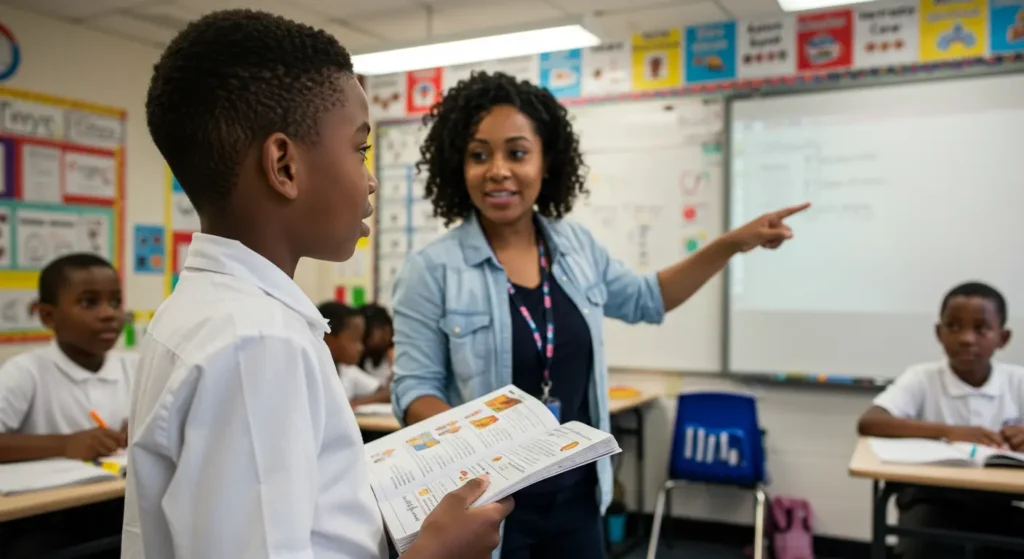
The importance of educating the boy child is just as vital as educating the girl child, yet it often receives less attention in public discussions. For decades, global campaigns have rightly highlighted the need to educate the girl child. From the United Nations to grassroots NGOs, resources have been poured into bridging gender gaps in education. However, in the process, the boy child has sometimes been overlooked.

According to UNESCO, young men are now more likely than young women to be out of secondary school in sub-Saharan Africa. In Nigeria, UNICEF reports that over 10 million children are out of school — and boys make up nearly half of that figure.

The importance of educating the boy child cannot be ignored. Balanced societies require boys to be supported, mentored, and educated alongside girls.

Why the Importance of Educating the Boy Child Matters

Personal Development Through Boy Child Education

Boy child education equips boys with knowledge, confidence, and values that shape character. A boy who gains access to quality education learns not just to earn a living but also to make healthy decisions — from avoiding drug abuse to respecting others.

For example, a teacher in Lagos shared that boys in after-school literacy clubs became more confident in class and less likely to drop out.

Leadership and Responsibility: Educating the Boy Child for the Future

In many cultures, boys grow up with the expectation of leading families and communities. Without education, they risk perpetuating ignorance or unhealthy traditions. Educated boys, however, become leaders who promote fairness, innovation, and progress.

How Educating the Boy Child Breaks Harmful Stereotypes

Boys are often told “real men don’t cry” or pressured into proving masculinity through aggression. Education challenges these stereotypes, encouraging empathy, collaboration, and positive masculinity.

Benefits of Educating the Boy Child

Promotes Social Balance Through Boy Child Education

Focusing only on girl child education risks imbalance. Societies progress when both boys and girls are empowered equally.

How the Importance of Educating the Boy Child Reduces Crime and Violence

The World Bank has noted that school attendance strongly reduces crime rates among young men. Educated boys are less likely to join gangs, abuse drugs, or engage in violence.

Strengthening Families and Communities with Boy Child Education

Educated men often become supportive partners and responsible fathers. A father who values education will pass it on, encouraging both his sons and daughters.

In Enugu State, initiatives promoting boy child education reduced cases of street violence and early marriage.

Educating the Boy Child as a Driver of Economic Growth

The African Development Bank estimates that each extra year of schooling raises a man’s income by about 10%. Educating boys fuels entrepreneurship, productivity, and national development.

Challenges in Boy Child Education

Neglect of the Boy Child in Education Campaigns

Scholarships and advocacy often focus more on girls. In some rural areas, families now prioritize daughters, while sons are pushed into labor or trade.

Challenges of Educating the Boy Child: Peer Pressure and Negative Influences

Without educational support, boys may succumb to peer pressure — skipping school, experimenting with drugs, or engaging in violence.

Boy Child Education and the Role of Mentorship

In communities where father absenteeism is high, boys lack male role models. Schools and mentorship programs must step in to guide them.

Supporting Mental Health Through Boy Child Education

Studies show boys are less likely to seek help for depression or anxiety. Education systems that provide counseling can reduce dropouts and build resilience.

How to Promote Boy Child Education

Parental Involvement in Boy Child Education

Parents must encourage boys to value education. Checking homework, attending school meetings, and guiding study habits all make a difference.

Government Action and the Importance of Educating the Boy Child

Policymakers must balance advocacy. “Educate the girl child” should go hand-in-hand with “importance of educating the boy child.” Equal scholarships, vocational programs, and mentorship schemes are essential.

How NGOs and Communities Can Support Boy Child Education

NGOs can launch Rescue The Boys initiatives, vocational training, and mentorship clubs that protect boys from negative influences.

Modern Teaching Approaches for Educating Boys Effectively

Learning methods should be engaging for boys — incorporating sports, technology, and practical lessons to reduce dropout rates.


2 thoughts on “The Importance of Educating the Boy Child: Building Balanced Societies

  1. Empowering boys through education is key to unlocking their potential and shaping a brighter future for individuals, families, and communities. Let’s prioritize their development and support their growth into capable, confident, and compassionate leaders,
    Remember . By building and supporting boys, we can indeed create a more balanced and equitable society where girls can thrive. 💪 Let’s do this!

Leave a Reply

Your email address will not be published. Required fields are marked *

Sign up to receive resources for mental wellness, emotional strength, and personal growth.

General Newsletter Subscription Form
  • Home
  • About Us
  • Get Involved
  • Media
  • Contact Us