Male Gender in Nigeria: Challenges, Identity, and the Way Forward
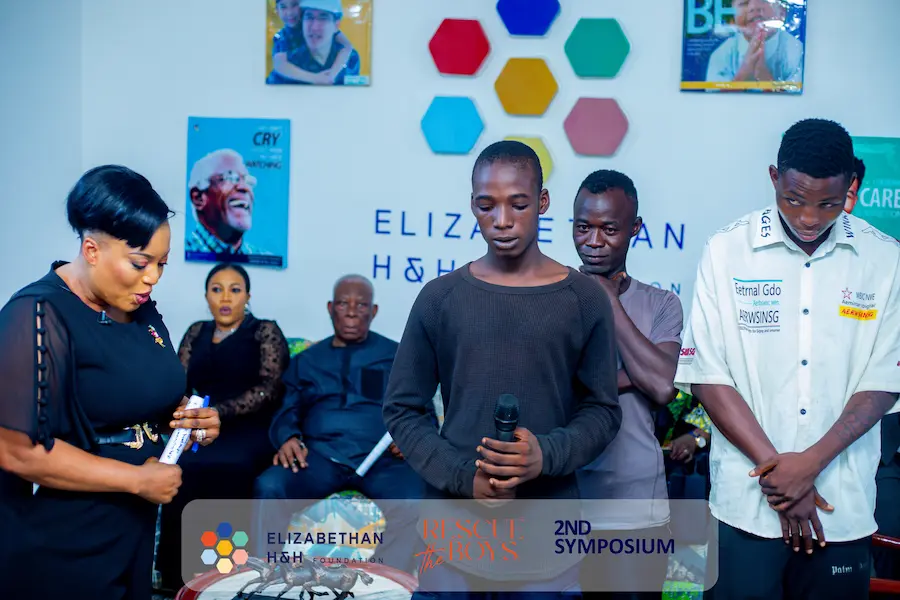
Male gender in Nigeria faces unique challenges that often go unnoticed. Boys and men play a vital role in society, yet many struggle silently with emotional pressure, educational neglect, and social expectations that discourage vulnerability.
Understanding the realities of the male gender is essential for building a balanced, healthy, and inclusive society.
Understanding the Male Gender in Nigeria
The male gender refers to individuals who identify biologically or socially as male. Beyond biology, male gender identity is shaped by culture, family expectations, and social norms.
In many African societies, including Nigeria, boys are raised to be:
- Emotionally strong
- Financially responsible
- Silent about pain or fear
While these traits may seem positive, they often prevent boys from expressing emotions or seeking help when they need it.
Challenges Facing the Male Gender
1. Emotional Suppression in Boys
From a young age, boys are often told to “be a man” or “stop crying.” This emotional restriction affects mental health and contributes to:
- Depression
- Anger issues
- Poor emotional intelligence
Supporting emotional wellbeing for the male gender is no longer optional—it is necessary.
2. Educational Disadvantage of the Boy Child
While girl-child education has rightly gained attention, many boys are now falling behind academically, especially in low-income communities. Dropout rates among boys are rising due to:
- Child labour
- Street trading
- Lack of mentorship
Addressing male gender development must include education support.
3. Lack of Safe Spaces for Boys
Few programs exist that allow boys to talk openly about:
- Fear
- Identity
- Peer pressure
- Masculinity
Without guidance, many boys learn from unhealthy role models, reinforcing harmful behaviors.
Why Supporting the Male Gender Matters
When the male gender is neglected:
- Crime rates increase
- Broken homes become more common
- Emotional trauma goes untreated
Healthy boys grow into responsible men, supportive fathers, and positive community leaders. Empowering the male gender strengthens families and society as a whole.
Building a Healthier Future for Boys and Men
To support the male gender, stakeholders must:
- Promote emotional literacy for boys
- Create mentorship programs
- Balance gender advocacy efforts
- Normalize mental health conversations
NGOs, schools, parents, and policymakers all have a role to play.
The Role of Advocacy and NGOs
Organizations like boy-child foundations and male advocacy NGOs are essential in:
- Providing mentorship
- Supporting mental health
- Protecting boys at risk
- Encouraging positive masculinity
Their work ensures that the male gender is not left behind in conversations about equality and development.