Emotional Wealth: How EQ Builds Leaders, Father & Success
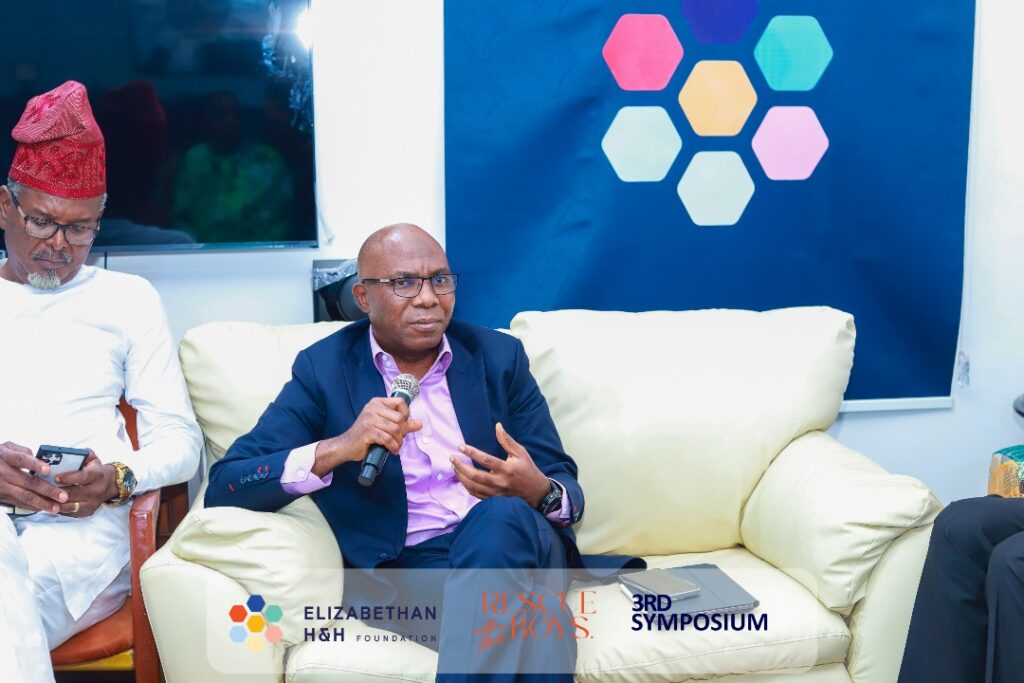
We’ve spent the last three weeks proving that emotional literacy is not a soft skill, it’s a foundational life competency.
This week, we connect that inner work to your outer world: how understanding and managing emotions — yours and others’ — becomes the single greatest predictor of success in modern leadership, effective conflict resolution, and parenting the next generation.
This is what we call Emotional Wealth.
The Literate Leader: Emotional Intelligence in Action
In today’s professional world, the era of the cold, detached boss is over. Leadership now demands Emotional Intelligence (EQ) — the ability to recognize, regulate, and respond wisely to emotions, both personal and interpersonal.
According to the Harvard Business Review, emotional intelligence accounts for nearly 90% of what sets high performers apart from their peers.
1. Decision-Making under Pressure
A literate leader recognizes when stress or fear is clouding judgment.
Instead of reacting, he applies the Power of the Pause — that five-second tool from last week’s reflection — to calm the emotional surge before it drives a poor decision.
Result: fewer impulsive choices, fewer regrets, and decisions that protect both time and reputation.
2. Motivating a Team with Empathy
You can’t inspire a team if you can’t read the room.
An emotionally literate leader uses empathy (see Empathy is a Verb) to discover the real cause of poor performance: is it lack of skill, burnout, or personal distress?
He responds with targeted support instead of punishment, building loyalty, engagement, and productivity.
3. Conflict Resolution through Validation
Conflict is inevitable — but escalation is optional.
The emotionally wealthy leader doesn’t avoid tension; he manages it through validation and active listening.
By acknowledging others’ perspectives, he transforms confrontation into collaboration, achieving faster, more sustainable solutions.
The Literate Father: Building Emotional Wealth at Home
Perhaps the most lasting return on emotional wealth is the legacy you leave your children.
You cannot teach a language you do not speak.
1. Breaking the Cycle of Silence
If you grew up being told to “Man up” or “Don’t cry,” your emotional literacy becomes a healing inheritance.
By naming your own feelings — “I’m frustrated by this traffic” — you model self-awareness.
You teach your son that his emotions are safe and your daughter that her emotions deserve respect.
That is how generational change begins.
2. Effective Discipline without Rage
A father who can regulate his anger can discipline without shouting.
Instead of reacting to a child’s behavior, he looks for the need behind the behavior.
Discipline becomes an act of teaching, not punishment.
3. Raising Resilient, Empathetic Children
Children raised by emotionally literate fathers grow into resilient, empathetic, and successful adults.
They learn to manage stress because they watched their primary male role model do the same.
Emotional intelligence at home becomes the seed of strength in society.
Emotional Intelligence as Modern Currency
Emotional Wealth is not an accessory skill — it’s the operating system for a meaningful, sustainable life.
The emotionally literate man leads better, loves deeper, and parents wiser.
He inspires not through power, but through presence.
When emotional intelligence becomes daily practice, success expands beyond the balance sheet.
Start today. Your team, your children, and your future self will thank you.