The Missing Curriculum
A Structured Human Development Framework for Boys and Young Men
The Missing Curriculum is a structured human development framework that integrates emotional intelligence, identity formation, disciplined decision-making, leadership development, and practical skills, equipping boys and young men for responsible adulthood beyond the classroom.
The Missing Curriculum
Equips boys and young men for responsible adulthood beyond the classroom.
This framework is designed specifically for boys and young men aged 13 – 25.


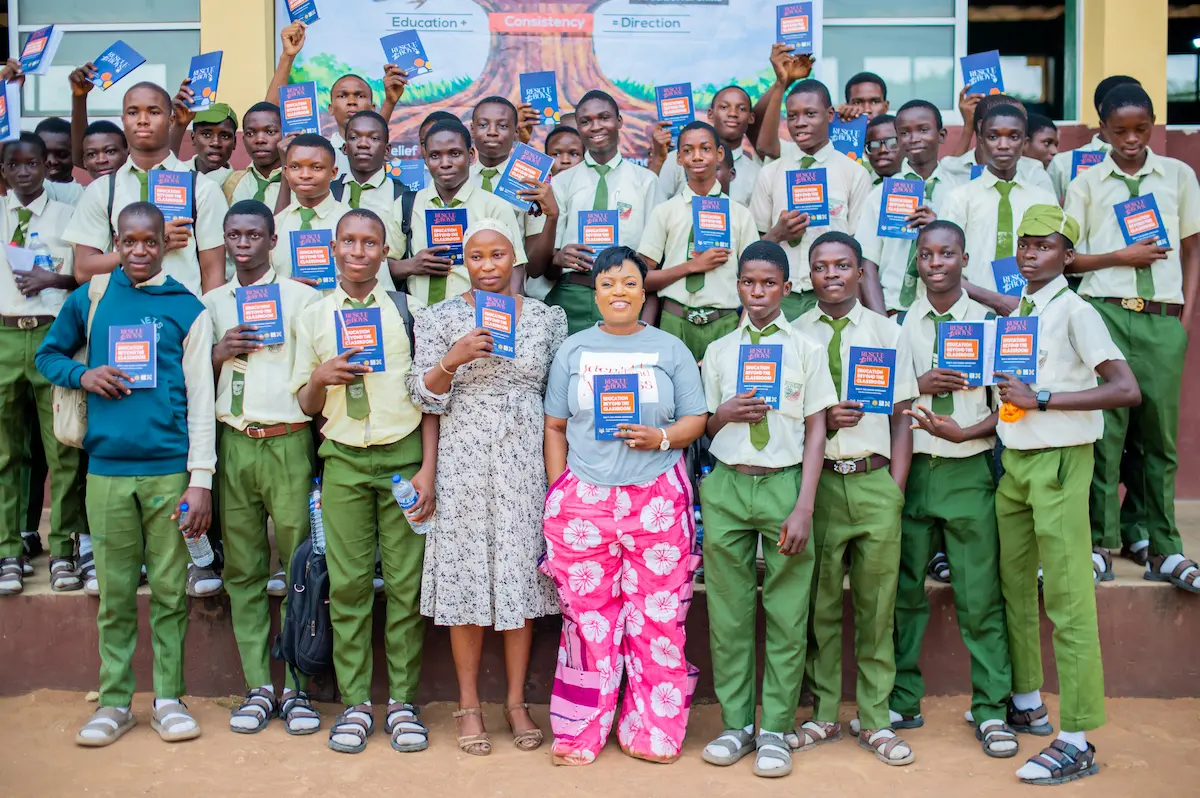
Why It Exists
Across homes, schools, and communities, many boys receive academic instruction but lack structured formation in identity, emotional regulation, discipline, leadership responsibility, and life direction.
While formal education strengthens academic performance, it does not always build the internal capacities required for responsible adulthood.
The Missing Curriculum was developed to address these developmental gaps through a structured development pathway that strengthens internal capacity before external opportunity.
It focuses on formation before performance, discipline before direction, and responsibility before independence
-
It does not operate as a vocational training centre.
-
It does not operate as a vocational training centre.
-
It provides structured development, assessment, and guided direction.
THE TREE OF LIFE FRAMEWORK
Roots – Foundations
- Emotional intelligence
- identity
- values
- discipline
Without strong roots, talent collapses under pressure.
Trunk – Character & Stability
- Self-control
- resilience
- responsibility
Branches – Leadership & Direction
- Purpose
- boundaries
- influence
- life decisions
Leaves – Skills & Exposure
- Skill identification
- vocational awareness
- mentorship exposure
Fruits – Responsible Adulthood
- Integrity
- stability
- provision
- contribution
Who It Is For
The Missing Curriculum is exclusively designed for boys and young men within the following structured age brackets:
Ages 13–17 (In-school boys)
Ages 18–21 (Transitional stage: post-secondary or early adulthood)
Ages 22–25 (Young men requiring structured redirection and developmental support)
Engagement occurs in phased cohorts based on institutional capacity, governance oversight, and programme readiness. Submission does not guarantee immediate placement. All applications undergo structured review within defined intake timelines.
How It Operates
Elizabethan H&H Foundation delivers the Missing Curriculum through:
- School-based and post-school engagement pathways
- Structured student engagements
- Trailblazers school-based sessions
- Guided reflection and discipline modules
- Leadership and identity development conversations
- Structured exposure to skills and vocational direction
- Institutional partnerships and collaborative pathways
All implementation operates under governance oversight and structured programme design.
Skills Development & Partner Collaboration
Elizabethan H&H Foundation does not operate as a vocational training centre.
However, the Missing Curriculum supports boys in:
- Identifying strengths and interests
- Clarifying skill direction
- Understanding discipline required for mastery
- Accessing structured skill pathways through credible partner institutions
- Engaging in collaborative development programmes
Where appropriate, referrals and partnerships are activated through educational, technical, and institutional collaborators.
Skill development is guided, it is not random.

Emotional Strength & Preventive Support
Elizabethan H&H Foundation is not a therapy clinic or crisis centre.
Where specialised psychological or clinical intervention is required, appropriate institutional referrals are made.
Engagement Pathways
Engagement occurs through structured phases.
There are three pathways:
1️ School Pathway
Through approved institutional partnerships and school-based engagements.
2️ Parent/Guardian Pathway
Parents may submit structured Expressions of Interest for their sons.
3️ Young Adult Pathway (18–25)
Young men within the age bracket may submit directly.
Submission does not guarantee automatic placement.
Expression of Interest
We are currently collecting structured Expressions of Interest from eligible boys and young men within the age range.
Required information includes:
- Full Name
- Age
- Current School or Status
- Parent/Guardian Contact
- Area of Residence
- Areas of Interest
- Brief Description of Current Direction or Concern
All submissions are reviewed within structured programme capacity.
What The Missing Curriculum Is — And Is Not
It is:
- A structured formation framework
- A preventive intervention system
- A discipline and direction architecture
- A skills guidance and collaboration platform
It is not:
- An emergency intake centre
- A drug rehabilitation clinic
- A therapy service
- An open admission vocational school
We operate through design, structure, governance, and phased activation.
Institutional Alignment
The Missing Curriculum operates under the Rescue The Boys (RTB) Architecture and aligns with the Vision and Mission of Elizabethan H&H Foundation.
Vision: A world where every boy and man lives with dignity, strength, and purpose.
Mission: To provide structured and dignity-centred support that helps boys grow well and men live responsibly.
Important Note
Elizabethan H&H Foundation operates a structured and capacity-based intake system. While all submissions are acknowledged, engagement occurs progressively based on programme capacity, alignment with the Missing Curriculum pathway, and institutional readiness.
Expression of Interest | The Missing Curriculum
Elizabethan H&H Foundation
Elizabethan H&H Foundation receives structured Expressions of Interest from parents and guardians seeking disciplined, structured developmental support for their sons. Submission does not guarantee automatic placement. Engagement occurs in structured phases based on capacity and programme alignment.
Expression of Interest | The Missing Curriculum
Elizabethan H&H Foundation
Elizabethan H&H Foundation receives structured Expressions of Interest from young men aged 18–21 seeking disciplined guidance, identity clarity, and structured direction beyond the classroom. Submission does not guarantee automatic placement. Engagement occurs in structured phases based on capacity and programme alignment.