Breaking The Myth: Boys Are Not Always Strong
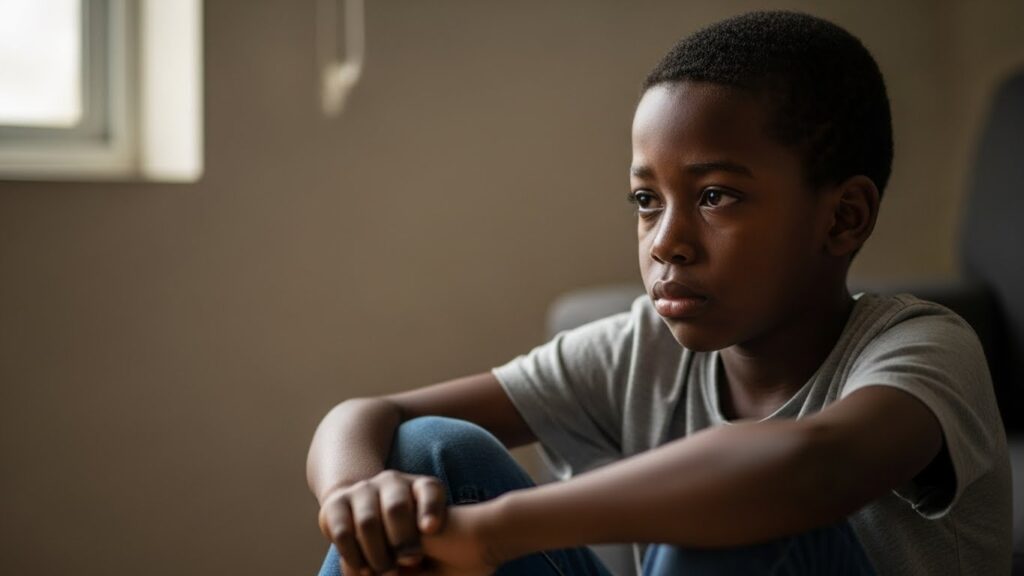
Society has repeated one message to boys for so long that it became a belief, a rule, a cultural expectation: “Boys are strong.”
The words sound harmless, even encouraging, but they carry an unseen weight. They pressure a child into silence. They teach him that strength is the only acceptable identity he can have — even when his life, his emotions or his circumstances are falling apart.
Because of this myth, young males everywhere are living two emotional lives:
- the life the world sees
- and the life they carry alone
Boys cry secretly.
They fear silently.
They struggle inwardly.
They question themselves repeatedly.
Many break quietly.
But because they have been taught that appearing strong is the only language they are allowed, they keep going — hurting but performing, confused but pretending, tired but trying.
The Myth That Shapes a Child
“Be strong” does not teach confidence — it teaches suppression.
“Stop crying” does not teach self-control — it teaches emotional denial.
“Handle it like a man” does not build resilience — it builds fear of vulnerability.
When a boy hears these messages repeatedly, he begins to believe:
- “I am not allowed to feel.”
- “I must not fail.”
- “I must not need help.”
- “I must always know what to do.”
- “I must solve everything alone.”
This is not strength.
This is emotional imprisonment.
The Cost of Forced Strength
A child who is pressured to “always be strong” ends up wearing strength like a mask.
He may appear confident but feel unsure.
He may appear calm but feel overwhelmed.
He may appear indifferent but feel rejected.
He may appear angry but feel afraid.
When boys lack emotional freedom, their pain may show up as:
- withdrawal
- aggression
- defiance
- risk-taking
- emotional shutdown
- academic decline
- difficulty connecting with others
These are not signs of a “bad boy.”
They are signs of a child carrying too much alone.
Strength Without Support Becomes a Burden
When society expects boys to be strong at all times, they lose the freedom to be human.
They lose the safety to say:
- “I am tired.”
- “I am confused.”
- “I am afraid.”
- “I need help.”
A child who cannot speak honestly grows into an adult who cannot speak honestly either.
This is how cycles of emotional disconnection pass from generation to generation.
What True Strength Looks Like for Boys
True strength is not silence, pretending, or emotional numbness.
True strength is the ability to:
- name emotions
- ask for help
- pause and reflect
- express fear without shame
- connect without feeling weak
- show empathy
- recover from mistakes
A boy who is allowed to be honest becomes an emotionally trustworthy man.
A supported boy becomes a supportive man.
A guided boy becomes a wise leader.
A boy who can speak freely becomes a man who loves deeply.
This is real strength.
This is emotional maturity.
This is what the boy child deserves.
How Adults Can Break the Myth
Parents, teachers, mentors and caregivers play a powerful role in shaping emotionally healthy boys.
We must begin to:
- validate emotions instead of suppressing them
- listen without rushing to correct
- teach boys emotional vocabulary
- model calmness
- remove shame from vulnerability
- allow boys to try again without judgment
- encourage open conversations
- praise effort, honesty and growth
When we change the way we respond to boys, we change the way boys respond to life.
Why This Advocacy Matters for Society
A boy raised to “always be strong” may become an adult who:
- avoids emotional connection
- struggles with communication
- battles silent mental health challenges
- fears vulnerability
- becomes overwhelmed by pressure
But a boy raised with emotional honesty grows into a man who:
- leads with clarity
- relates with empathy
- handles conflict with maturity
- listens deeply
- supports his family
- strengthens his community
Emotionally healthy boys become emotionally healthy men.
Emotionally healthy men build emotionally healthy nations.
Elizabethan H&H Foundation: Our Steady Promise
At Elizabethan H&H Foundation, we believe boys deserve more than pressure to be strong. They deserve emotional tools, understanding, guidance and safe spaces to grow.
We remain committed to expanding emotional literacy in schools, homes and communities.
We will continue building mentorship pathways and support systems that help boys develop into emotionally balanced young men.
Our promise is steady.
Our voice is clear.
Our vision is focused on the future of the boy child.
Closing Thought
The myth that boys are always strong has protected their image but weakened their hearts.
It is time to replace the myth with truth:
Boys are human.
Boys feel deeply.
Boys need support.
And boys become stronger men when society finally sees them.
When we give boys permission to be human, we give them permission to be whole.